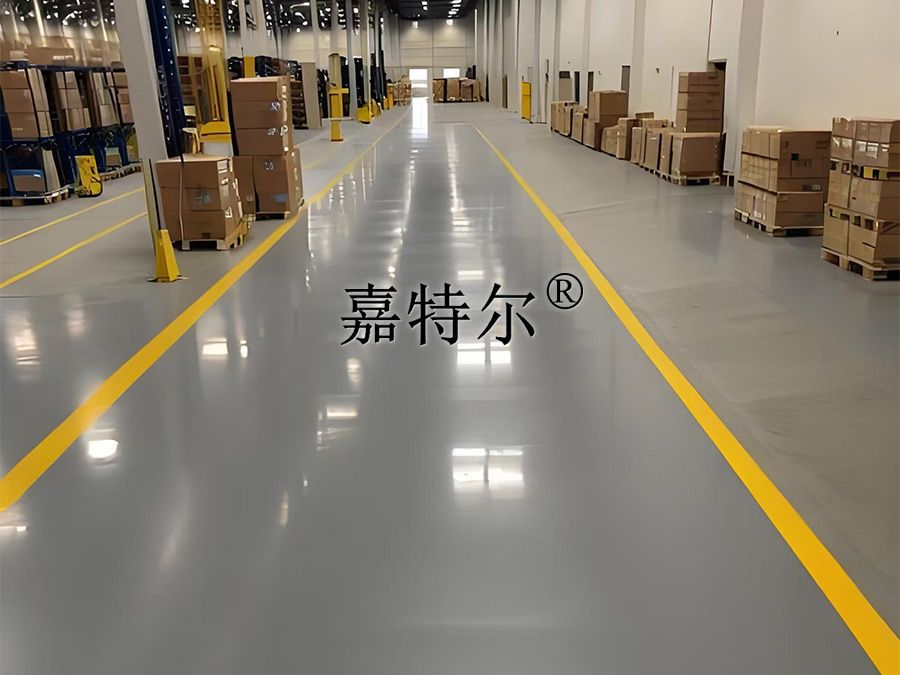
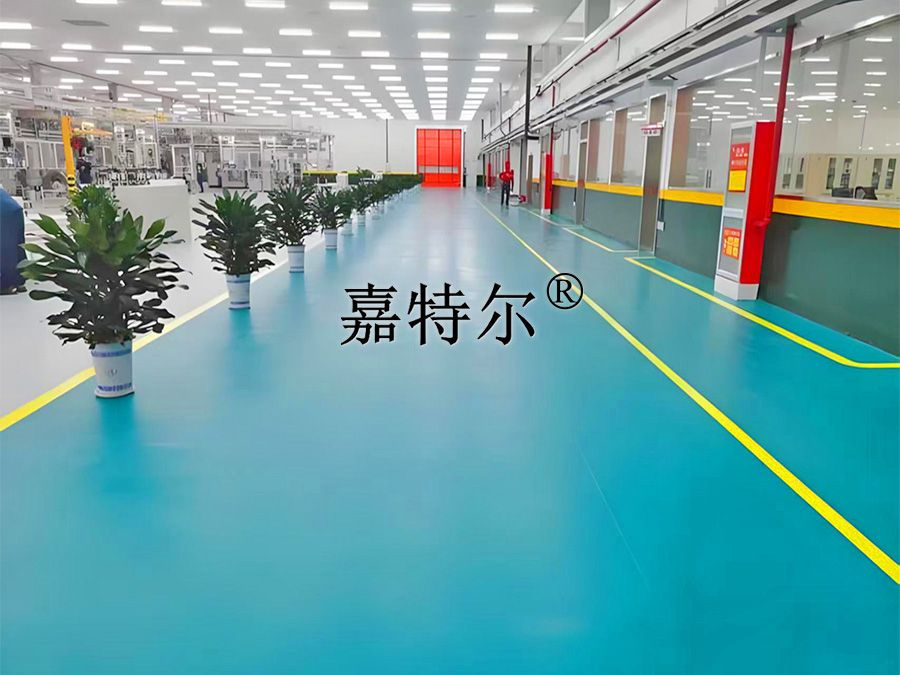
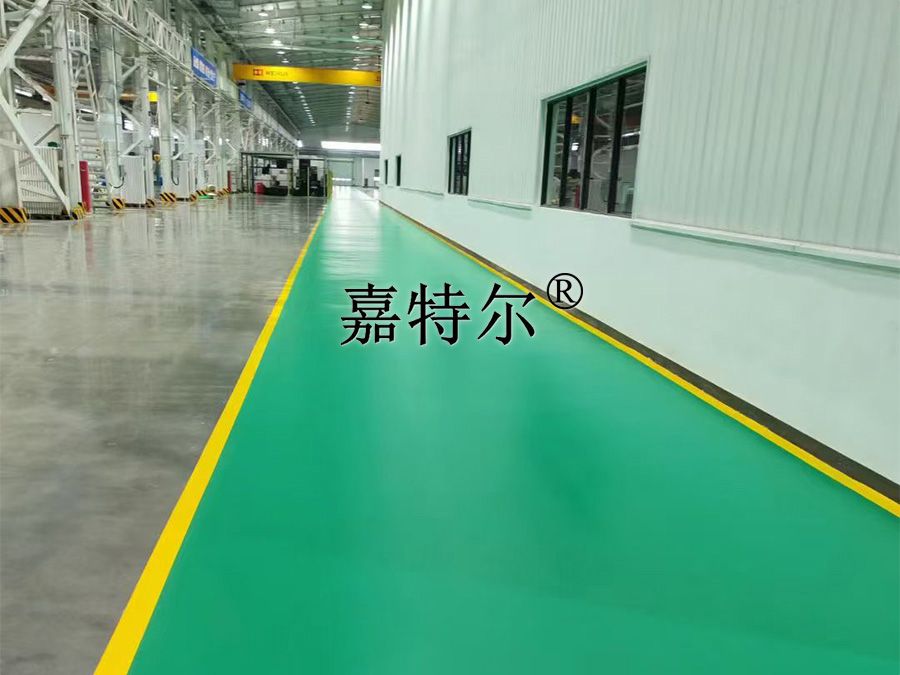
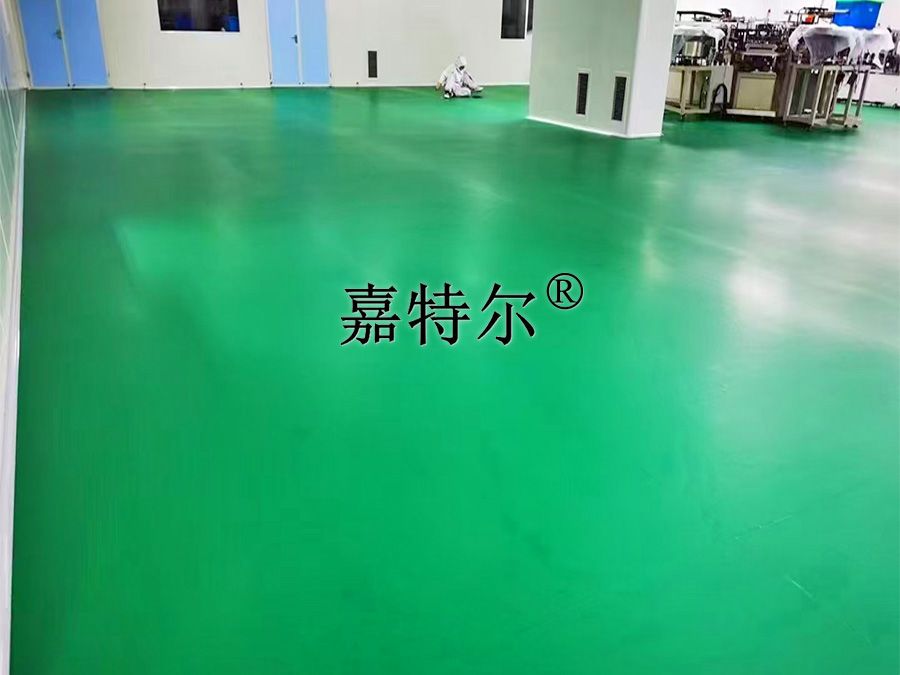
Industrial floor
Application scenarios of industrial flooring
Industrial flooring is mainly used in various factory workshops, warehouses, logistics centers, garages and maintenance stations. Its design must meet the demanding requirements of industrial environments such as high-intensity mechanical operations, goods stacking, vehicle rolling and chemical exposure. The key issues to be addressed include wear resistance, impact resistance, dust prevention, corrosion resistance and durability.

The structural features of industrial flooring
The typical structure consists of a multi-layer composite system, including a permeable and sealed base coating, a thickened load-bearing middle coating, and a functional surface coating. It firmly bonds with the base concrete to form an integral "composite floor" rather than a separate "covering layer". The final performance is jointly determined by the "concrete base + coating system", and the structural design needs to match the expected load and usage stress.
The environmental level of industrial flooring
The environmental friendliness of the materials has been continuously improving. Water-based and solvent-free products with low VOC content have become the mainstream, reducing air pollution.
Preparation of industrial flooring
The first step is to conduct a comprehensive assessment and treatment of the base layer, including strength testing, moisture content measurement, and defect investigation. By using methods such as grinding and shot blasting, the surface is opened up, followed by repair, oil removal, cleaning, to create the best bonding interface.
Construction requirements for industrial flooring
Detailed on-site investigations and treatments must be carried out to ensure that the final result is solid, flat, dry and clean. The materials should be mixed strictly according to the product ratio, and the intervals between each process (window periods) and the coating thickness should be controlled.
1 2 Next
Phone E-mail SMS Map